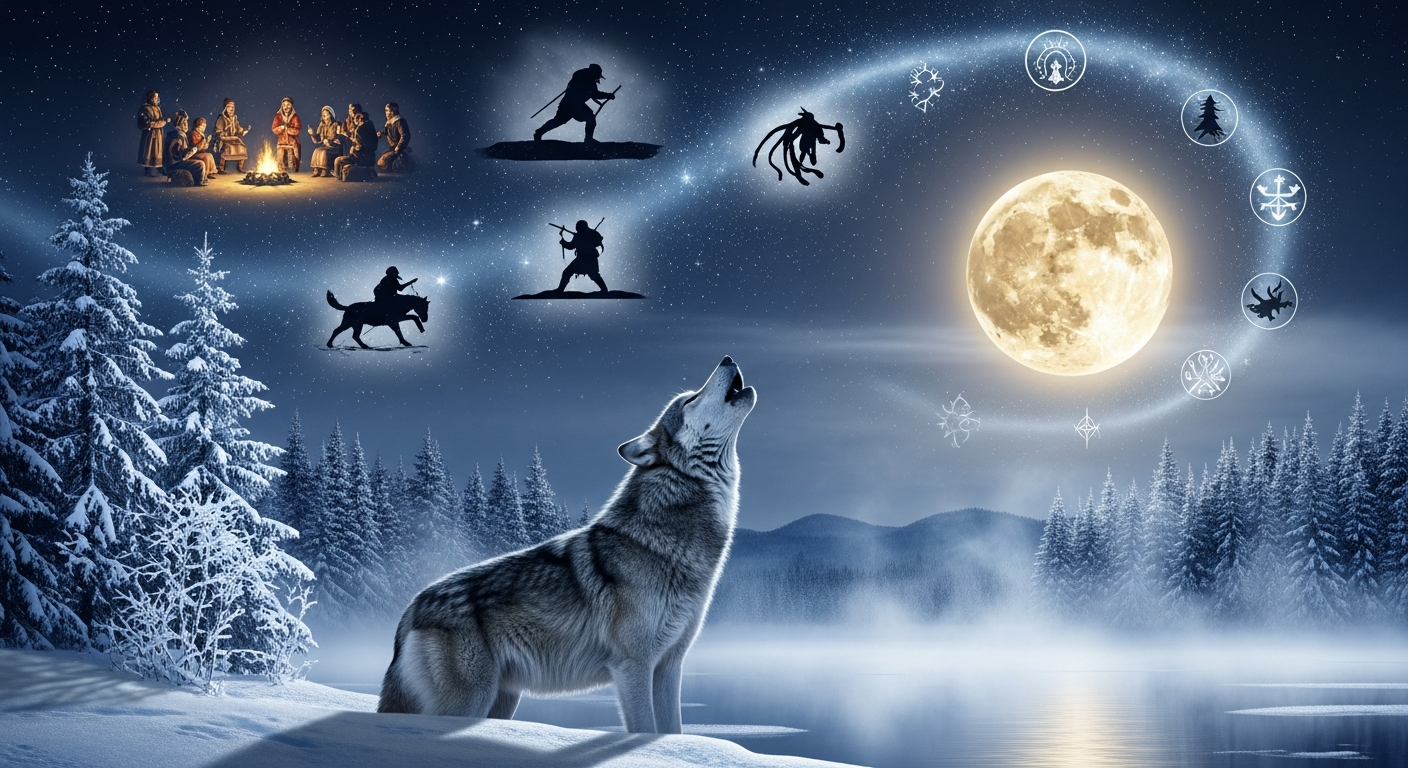
Wolf moon is one of the most fascinating events in the night sky. Every year, people around the world look up to see the wolf moon shining bright, especially in January. The name wolf moon comes from old stories about wolves howling during the cold winter nights. This full moon is not only beautiful, but it also has deep meanings in different cultures. Many people believe that the wolf moon is a time of reflection, new beginnings, and energy for setting intentions for the year ahead. Watching the wolf moon can feel magical, especially when it rises large and glowing on a cold winter night.
Wolf moon has inspired myths and stories for centuries. Ancient cultures, including Native Americans and Europeans, gave special names to each full moon to mark the seasons. January’s wolf moon got its name because wolves were often heard howling at this time, which marked the harshness of winter. Beyond legends, scientists explain that the wolf moon appears so bright because it is the first full moon of the year and sometimes the closest to Earth. People enjoy photographing it, creating art inspired by it, and even meditating under its light. The wolf moon also affects tides and nature in subtle ways, and some believe it influences emotions and energy. Families, friends, and communities often gather to watch the wolf moon, share stories, and connect with the night sky. This makes the wolf moon not just an astronomical event, but also a cultural and spiritual celebration that brings people together.
Wolf Moon: Legends, Science, and Magic of the January Full Moon
Wolf moon is one of the most amazing events in the night sky. People have watched it for hundreds of years, and many legends are tied to it. The wolf moon got its name because wolves were heard howling during cold January nights. Long ago, people believed the wolf moon had magical powers and could guide them. Scientists now explain it as the first full moon of the year, sometimes appearing very bright because it is close to Earth. Many cultures see it as a time for reflection, new beginnings, and courage. Watching the wolf moon can feel special and calming, and it connects us with nature. Its glow inspires stories, songs, and even art.
Wolf Moon: Stories, Facts, and Mysteries You Should Know
The wolf moon has a lot of interesting stories and mysteries behind it. Ancient people named each full moon to follow the seasons, and January’s moon was called the wolf moon. Some legends say the wolf moon brings strength and wisdom, while others say it can affect nature and emotions. Scientists study the moon to understand its phases, tides, and light. The wolf moon is often brighter and bigger than other full moons. People around the world celebrate it in different ways, like watching it with friends or making art inspired by it. The wolf moon is a mix of science and folklore, giving us both knowledge and magic, making it an exciting event to observe.
Wolf Moon: How to Watch, Celebrate, and Understand Its Power
Watching the wolf moon is a fun and simple activity. You can go outside at night and see it rise, glowing brightly in the sky. Many people take photos or videos of the moon and share them online. Some families celebrate by telling stories about wolves, nature, and legends tied to the moon. The wolf moon is also a good time to reflect on your goals, think about the past, and plan for the future. Its light can inspire creativity and peaceful thoughts. Observatories and astronomy clubs sometimes host wolf moon events, teaching people about science and myths. Understanding its power helps us connect with nature, history, and our own feelings.
Wolf Moon Explained: History, Science, and Cultural Significance
The wolf moon is not just a bright circle in the sky, it has a long history. People long ago used it to track seasons, plan farming, and celebrate festivals. Its name comes from the sound of wolves howling during cold winter nights. Scientists explain the wolf moon as the first full moon of the year, and sometimes it is closest to Earth, making it look bigger. Different cultures have stories, legends, and celebrations about it. It has also inspired artists, writers, and storytellers for centuries. The wolf moon connects us to the past and nature, while also teaching us about science. Its significance goes beyond beauty, touching culture, history, and emotions.
Wolf Moon: The January Full Moon That Inspires Art and Reflection
Artists, poets, and writers often find the wolf moon very inspiring. Its glowing light in cold January nights makes people think, imagine, and create. Some people paint pictures of the wolf moon, write poems, or make songs. Families and friends gather under its glow to reflect on life, set goals, or simply enjoy the moment. The wolf moon can make people feel calm, hopeful, and connected to nature. It is a reminder of cycles, seasons, and how nature works. Children enjoy seeing its big round shape, which sparks curiosity about space and science. Its presence encourages creativity and mindfulness, making it more than just a moon in the sky.
Wolf Moon: Nature, Myths, and Spiritual Meaning in Easy Words
The wolf moon is full of nature, myths, and spiritual meaning. People have watched it for hundreds of years and connected it with stories of wolves, seasons, and life. Some believe the wolf moon brings strength, courage, and energy to start new things. Others use it for meditation, reflection, or small rituals. Scientists explain the moon’s phases and how it affects Earth, tides, and nature. Observing the wolf moon helps us feel connected with wildlife and the world around us. Its glow reminds us to pause, enjoy, and reflect. The wolf moon mixes science, legends, and personal growth, teaching lessons in simple and magical ways.
Wolf Moon Magic: From Legends to Modern Celebrations
Wolf moon magic has traveled from old legends to modern times. Ancient stories told how wolves howled at the January moon, connecting humans to nature. Today, people celebrate it by watching, photographing, and learning about the moon. Some practice rituals, write wishes, or enjoy quiet walks under its light. It is a time to reflect, plan, and connect with loved ones. Communities, schools, and astronomy clubs host events to explain its history, science, and cultural meaning. The wolf moon continues to inspire imagination, creativity, and appreciation for the natural world. Its magic is simple but powerful, reminding us that nature’s wonders are always around us.
Conclusion
The wolf moon is one of the most special full moons in the year. Its bright, round shape shines in January skies, bringing beauty, wonder, and magic. People have watched it for centuries, and it has many stories, legends, and lessons to teach. The wolf moon helps us reflect on life, set new goals, and enjoy peaceful moments with nature. Families, friends, and communities gather to celebrate it, share stories, and take photos. Its glow inspires creativity, writing, and art. Scientists study it to learn about Earth, tides, and the moon’s phases. Observing the wolf moon is simple but powerful, giving everyone a chance to connect with the world around them.
The wolf moon is also a symbol of courage and strength. Ancient people named it because wolves howled during winter nights, and today we still feel that energy. Its light encourages mindfulness, calmness, and thinking about the future. Children are amazed by its size, which makes them curious about space and science. Adults can use it as a time to pause, breathe, and enjoy quiet moments. Artists and writers find inspiration in its glow, creating poems, pictures, and stories. Everyone can enjoy the wolf moon in their own way, whether it is learning, relaxing, or celebrating with others.
FAQs
Q1: What is a wolf moon?
A wolf moon is the first full moon of January. It got its name because wolves were often heard howling in winter nights.
Q2: When can I see the wolf moon?
The wolf moon appears every January. You can see it in the night sky when it is full and bright.
Q3: Why is it called a wolf moon?
It is called a wolf moon because long ago, people noticed wolves howling at this moon during cold winter nights.