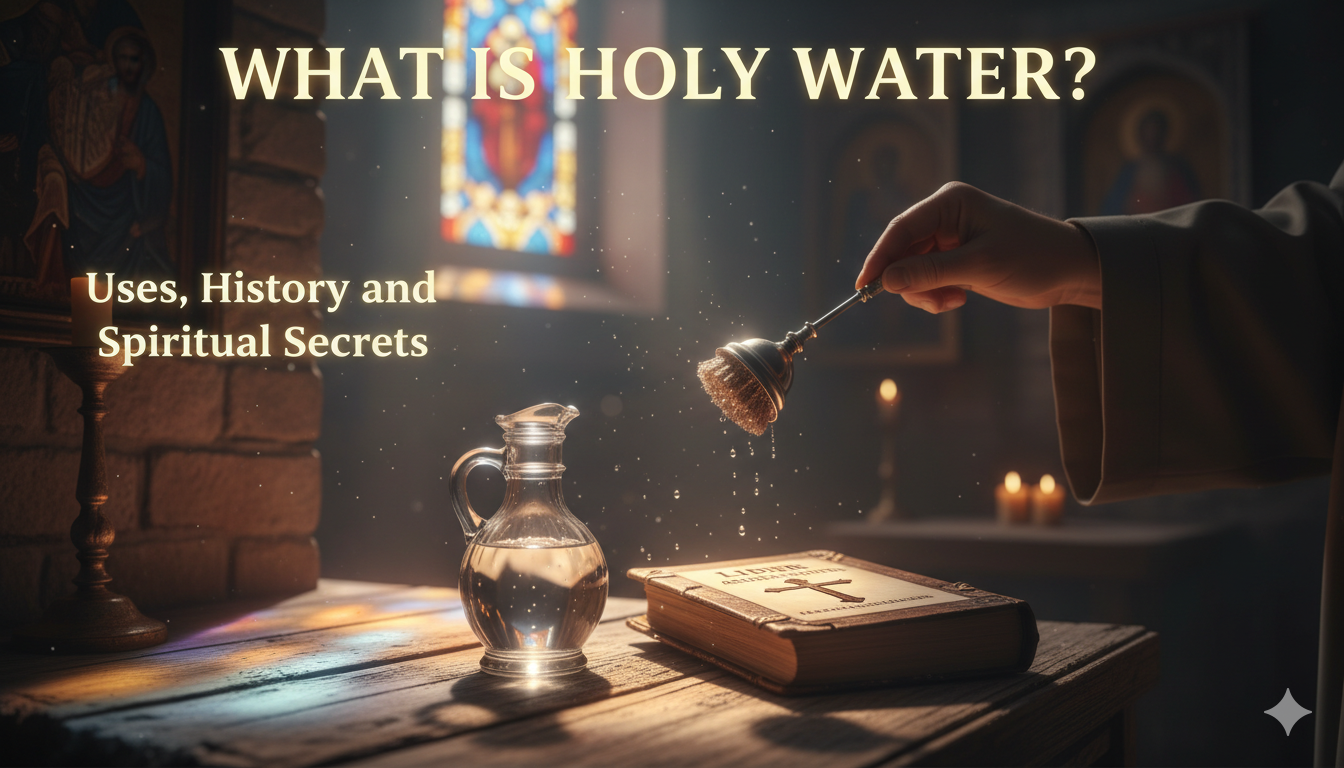
Have you ever walked into a beautiful old church and noticed a small bowl of water near the door? That special liquid is known as holy water. For centuries, people around the world have used it for protection, healing, and spiritual cleaning. While it looks just like the water you drink, it carries a very deep meaning for millions of people. Think of it as water that has been “supercharged” with prayers and intentions. It is not just about religion; it is about feeling safe and connected to something bigger than ourselves.
I remember the first time I saw a friend use it in their home. They sprinkled a few drops near the windows during a big storm. It wasn’t because they thought the water was magic, but because it helped them feel calm and mindful. In this guide, we are going to dive deep into what makes this water so special. We will look at its history, how different cultures use it, and how you can use it in your own life. Whether you are curious about its origins or want to know the “how-to,” you are in the right place.
The Basic Meaning of Holy Water
At its simplest level, holy water is water that has been blessed by a religious leader, like a priest or a minister. In many traditions, salt is added to the water to help keep it pure and symbolize lasting life. The main goal of using this water is to remind people of their faith and to wash away negative energy. It acts as a physical symbol of a spiritual truth. Just like we use soap to clean our hands, people use this sacred liquid to “clean” their spirits.
Quick Fact Table: At a Glance
| Feature | Description |
| Main Use | Blessings, protection, and spiritual cleansing |
| Key Ingredients | Pure water and often a small amount of blessed salt |
| Who Blesses It? | Priests, bishops, or designated spiritual leaders |
| Common Locations | Churches, home altars, and during special ceremonies |
A Long History of Sacred Liquid
Using water for spiritual reasons is not a new idea. In fact, it goes back thousands of years! Ancient Greeks and Romans used water to purify their temples before ceremonies. They believed that water had the power to bridge the gap between the human world and the divine world. When Christianity began to grow, they adopted this practice. They saw holy water as a way to remember baptism, which is a very important ceremony about starting a new life in faith.
Over time, the way we make and use this water has changed, but the heart of the practice stays the same. It has survived through wars, changes in empires, and the rise of modern technology. Why? Because the human need for comfort and protection never goes away. When you use holy water, you are joining a tradition that is much older than any of us. It is a beautiful way to stay connected to the history of humanity and our shared search for peace.
How Holy Water is Made and Blessed
You might wonder if you can just make holy water at home by saying a quick prayer. While your intentions are always important, most traditions believe it must be blessed through a specific ritual. A priest usually recites ancient prayers that ask for God’s protection over the water. They often make the sign of the cross over the bowl. Sometimes, they use a special metal tool called an aspergillum to sprinkle the water during the blessing ceremony.
This process is meant to set the water apart from regular tap water. It becomes a “sacramental,” which is a fancy word for an object that helps people receive grace. I once watched a blessing ceremony where the priest spoke about the water being a shield against darkness. It was a very powerful moment that showed how much respect people have for this ritual. Even if you aren’t deeply religious, it is easy to appreciate the beauty and focus put into creating something so meaningful.
Using Holy Water for Protection at Home
Many families keep a small bottle of holy water in their homes. This is a common practice in many parts of the world, especially in Europe and Latin America. People use it to bless their bedrooms, their children, or even their cars before a long trip. To do this, you simply dip your fingers in the water and make a small sign of the cross. You can also say a short prayer for safety and happiness while you do it.
Using holy water at home is a great way to create a peaceful environment. If you feel stressed or if there has been a lot of arguing in the house, some people find that blessing the rooms helps clear the air. It serves as a physical reminder to be kind and to stay grounded. It is a simple act that takes only a few seconds, but it can change the “vibe” of your living space. Many people find it helps them sleep better at night knowing they have asked for protection.
The Role of Water in Different Religions
While many people associate holy water with the Catholic Church, it is actually used in many different ways across the globe. In Eastern Orthodox churches, the “Great Blessing of Water” is a massive celebration where whole rivers might be blessed! In Hinduism, the Ganges River is considered living sacred water. People travel from all over the world to bathe in its flows, believing it will wash away their sins and help them reach a higher state of being.
Even in some pagan and folk traditions, “lustre water” or “moon water” is used for similar reasons. The idea is always the same: water is the source of life, so it must have a spiritual side too. By looking at how different cultures use holy water, we can see that we have a lot in common. We all want to feel clean, safe, and connected to the earth. It is a universal human language that doesn’t need many words to understand.
Can You Drink Holy Water?
This is a question many people ask! Usually, the answer is no. Most holy water found in churches is not meant for drinking. Because many people dip their hands into the same bowl (the font), it can contain germs. Also, sometimes salt is added, which doesn’t taste very good! However, in some Eastern traditions, people do take small sips of specially prepared blessed water during certain holidays for internal healing.
If you want to use holy water for health reasons, it is best to use it topically. This means you can put a drop on your forehead or your chest. Always remember that the power of the water comes from faith and prayer, not from the liquid itself. It is not a replacement for medicine or seeing a doctor. Think of it as a boost for your spirit while your body does the work of healing. Safety first is always a good rule to follow with any sacred object!
The Symbolism of the Font and the Sprinkler
In many churches, you will see a large stone basin called a font. This is where the holy water stays. It is often placed at the entrance to remind people of their baptism as they walk inside. The font is usually made of beautiful stone or metal to show how important it is. There is also a tool called an aspergillum, which looks like a small brush or a metal ball with holes. This is used by the leader to sprinkle the water over a large group of people.
I’ve always loved the sound of the water being sprinkled during a service. It feels like a refreshing rain shower for the soul. The act of sprinkling holy water over a crowd is meant to show that the blessing is for everyone, not just one person. It creates a sense of community. When everyone gets a little bit of that water, they are all sharing in the same spiritual experience. It is a very visual and tactile way to practice faith.
How to Properly Dispose of Sacred Water
Because holy water is considered sacred, you can’t just pour it down the sink or flush it away. That would be seen as disrespectful. If you have some at home that you no longer need, or if it has become dirty, there is a special way to handle it. The best way is to pour it directly into the earth. You should find a spot where people don’t usually walk, like a flower bed or near the base of a tree. This returns the water to nature in a quiet and polite way.
Most churches have a special sink called a sacrarium. This sink has a pipe that goes straight into the ground instead of into the sewer system. This ensures the holy water stays pure even when it is being let go. Following these small rules shows that you value the prayers that were put into the water. It is all about showing respect for the sacredness of life and the elements that sustain us.
Common Misconceptions About Holy Water
Some people think that holy water is like a magic potion from a movie. They might think it burns “bad” people or works like a lucky charm. In reality, it is much more symbolic than that. It is a tool to help your mind focus on God or the universe. It doesn’t “work” by itself; it works because of the faith of the person using it. Another myth is that only certain “perfect” people can use it. That is not true at all!
Anyone can use holy water if they approach it with a sincere heart. You don’t have to be a saint or even a member of a specific church to appreciate the peace it brings. It is a gift meant for everyone who is looking for a bit of light in their lives. By clearing up these myths, we can see the practice for what it really is: a beautiful, humble, and ancient way to express our hope and our desire for goodness.
Why People Still Use Holy Water Today
In our modern world of computers and fast cars, why do we still care about holy water? The reason is that humans are not just biological machines. We have feelings, spirits, and a need for ritual. Using something physical like water helps make abstract ideas—like “peace” or “protection”—feel real. When you feel the cool water on your skin, it brings you back to the present moment. It helps you take a deep breath and let go of stress.
I find that in our busy lives, we often forget to slow down. A small bottle of holy water on a desk or a shelf can be a visual cue to stop and be grateful. It is a bridge between the physical world we see and the spiritual world we feel. As long as people seek comfort and a way to bless their loved ones, this sacred liquid will always have a place in our homes and our hearts. It is a timeless tradition that continues to evolve.
FAQs About Holy Water
Where can I get holy water?
Most Catholic or Orthodox churches have a large container where you can fill a small bottle for free. Just ask a priest or a church worker where it is located.
Does holy water expire?
Water can get “stale” or grow algae if left in the sun, but its spiritual blessing does not expire. If it looks or smells bad, you should dispose of it in the ground and get fresh water.
Can I bless the water myself?
In most traditions, a formal blessing requires a priest. However, you can always pray over your own water to use it as a personal reminder of your intentions.
Is it okay to use holy water on pets?
Yes! Many people use it to bless their pets, especially on the Feast of St. Francis. It is a kind way to show love for your animal friends.
What should I do if I spill it?
Don’t worry! Accidents happen. Just wipe it up with a clean cloth. If you can, rinse the cloth and pour that water into the soil outside.
Can I buy holy water online?
You can buy the bottles, but many religions forbid selling the water itself for profit. It is usually best to get it from a local community of faith.
Conclusion: Embracing the Sacred in the Everyday
Holy water is more than just a religious tool; it is a symbol of life, purity, and the human spirit. From ancient temples to modern-day homes, it has provided comfort to billions of people. Whether you use it to bless your family, calm your mind, or simply connect with history, it remains a powerful part of our world. It reminds us that even the simplest things—like a drop of water—can hold great meaning if we approach them with love and faith.
If you have never used it before, maybe today is the day to explore this tradition. You don’t need a big ceremony to find peace. Sometimes, all it takes is a small gesture and a quiet moment of reflection.